

Albania is a growing study destination with modern universities, a broad range of English-taught programs, and student-focused support. Campuses are well equipped and welcoming, helping international students settle quickly. Graduates build strong industry links in business & finance, IT, and engineering—all amid vibrant culture, beautiful Adriatic landscapes, and an affordable cost of living.
Albania, officially known as the Republic of Albania, is a Southeastern European country located on the Balkan Peninsula. It is bordered by Montenegro, Kosovo, North Macedonia, and Greece, while the Adriatic and Ionian Seas form its western and southwestern coastlines. Its strategic location has shaped its rich history, blending influences from Illyrian, Roman, Byzantine, and Ottoman civilizations.
The capital city, Tirana, serves as the political, cultural, and economic hub of the country. Albania has a population of approximately 2.8 million people, with Albanian being the official language. The local currency is the Albanian Lek (ALL).
Albania is known for its stunning natural beauty, from the Albanian Alps and scenic lakes to its pristine Mediterranean beaches, often referred to as the “Albanian Riviera.” In recent years, it has become an attractive destination not only for tourists but also for international students.
For students, Albania offers affordable living, an increasing number of English-taught programs (business, IT, engineering, hospitality), and a friendly, safe environment. Cities provide reliable transport, lively cafés, and growing cultural scenes—making Albania a practical and welcoming place to study and explore.

Albania’s educational system is structured to provide accessible and comprehensive learning opportunities for its citizens, with a growing focus on international standards and modernization. The system is divided into several levels: pre-primary, primary, secondary, and higher education. Education is compulsory from ages 6 to 16, covering primary and lower secondary schooling.
Primary education lasts five years and is followed by lower secondary education (grades 6–9), which prepares students either for general high schools or vocational pathways. Upper secondary education typically lasts three years and offers two main options: general education (gymnasiums) or vocational and technical schools, which equip students with practical skills for the job market.
Higher education in Albania has undergone significant reforms, especially with the adoption of the Bologna Process, aligning it with European standards. Universities and higher education institutions now offer programs structured into three cycles:
Albanian universities are increasingly focused on internationalization, offering programs in English and fostering partnerships with institutions across Europe and beyond. Fields such as medicine, engineering, business, and technology attract both local and international students due to affordable tuition fees and globally relevant curricula.
The Albanian government continues to invest in improving education quality, technology integration, and research opportunities. With its strategic location, affordability, and cultural richness, Albania is steadily becoming an appealing destination for students seeking both academic growth and unique life experiences.
University College of Business (UCB)
The University College of Business (UCB) in Tirana is a modern higher education institution specializing in economics, business, law, and social sciences. Known for its innovative teaching methods and strong emphasis on practical skills, UCB prepares students for careers in today’s competitive job market. The university fosters entrepreneurship, critical thinking, and professional development, with a curriculum aligned to European standards. Its growing partnerships with international universities provide students with opportunities for academic exchange and global exposure.
Epoka University
University, located in Tirana, Albania, is a private institution renowned for its commitment to providing high-quality, internationally-oriented education. Established with a focus on academic excellence and practical learning, the university offers a variety of programs across fields such as engineering, business, social sciences, law, and computer science.The university emphasizes a student-centered approach, combining theoretical knowledge with practical application through projects, internships, and industry collaborations. English is widely used as the medium of instruction in many programs, attracting both local and international students.Epoka University fosters a multicultural campus environment, encouraging global perspectives and cross-cultural interactions. With modern facilities, experienced faculty, and partnerships with international institutions, the university prepares its graduates for successful careers both in Albania and abroad.
Western Balkans University (WBU)
Western Balkans University is one of Albania’s forward-looking institutions, offering programs in fields such as medicine, engineering, economics, and technology. With a mission to provide high-quality education at an international level, WBU integrates modern teaching approaches, research opportunities, and practical training. The university is particularly attractive to international students, as many programs are available in English. Its focus on innovation, multidisciplinary learning, and collaboration with European universities positions it as a rising educational hub in the Western Balkans region.

Student life in Albania is a blend of academic growth, cultural discovery, and vibrant social experiences. With its youthful energy and welcoming atmosphere, the country offers international students a chance to study in a dynamic environment while enjoying the richness of Albanian traditions.
In cities like Tirana, Durrës, and Shkodër, students find a lively atmosphere filled with cafés, cultural events, and student-friendly spaces. Albanian universities often organize activities, workshops, and student clubs that encourage social interaction and skill development. English is increasingly spoken among young people, making it easier for international students to integrate and form friendships.
Living costs in Albania are relatively low compared to most European countries, which allows students to enjoy a comfortable lifestyle. Affordable housing, accessible transportation, and reasonably priced food make daily life manageable and enjoyable. Local markets, with fresh produce and traditional dishes, add a unique flavor to the student experience.
Beyond academics, Albania’s stunning natural beauty plays a big role in student life. From the sandy beaches of the Ionian and Adriatic Seas to the breathtaking landscapes of the Albanian Alps, there are endless opportunities for weekend trips, hiking, and outdoor adventures. The blend of Mediterranean climate and diverse geography means students can enjoy both seaside relaxation and mountain exploration.
Albania is also known for its hospitality—locals are famously warm and welcoming, often eager to share their culture, food, and traditions. Festivals, music, and dance are integral parts of community life, giving students a chance to immerse themselves in the country’s cultural rhythm.
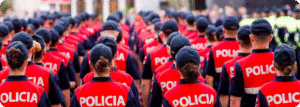
Albania is considered a welcoming and safe destination for international students and visitors alike. The country is known for its warm hospitality and close-knit communities, where people are friendly and always willing to assist newcomers. This atmosphere of openness and care creates a sense of security, making it easy for students to feel at home.
Major cities like Tirana, Durrës, and Shkodër are student-friendly and lively, with vibrant social scenes that remain comfortable and secure for daily life. Public spaces, cafés, and cultural centers are popular gathering spots, offering opportunities to meet new people in a safe environment.
Healthcare services in Albania are accessible, with both public and private facilities available. International students are encouraged to have health insurance, which ensures they receive reliable care whenever needed. Universities often provide guidance on healthcare access and student well-being, further supporting a safe study experience.
In terms of natural safety, Albania enjoys a stable climate and is blessed with beautiful landscapes ranging from beaches to mountains. Outdoor activities like hiking, swimming, and exploring are popular, and students are encouraged to follow local advice to enjoy them safely.
Overall, Albania provides a secure and supportive environment for international students. Its combination of friendly communities, accessible services, and cultural warmth ensures that students can focus on their studies while enjoying everything the country has to offer.

Albania is a country of striking natural beauty, where diverse landscapes and a favorable climate create an inviting environment for students and travelers alike. Nestled in the Balkan Peninsula, Albania is bordered by Montenegro, Kosovo, North Macedonia, and Greece, with coastlines along both the Adriatic Sea and the Ionian Sea. Its geography offers a stunning mix of beaches, fertile plains, rolling hills, and rugged mountains, making it a true crossroads of Mediterranean and Balkan charm.
The country’s climate is Mediterranean along the coast and continental in the inland and mountainous regions. Coastal areas enjoy hot, dry summers and mild, wet winters, perfect for beach activities and seaside living. Inland, the climate becomes more varied: the lowlands are warm and pleasant, while the highlands experience cooler temperatures, with snowy winters ideal for mountain adventures.
Albania’s geography provides endless opportunities for exploration — from the turquoise waters of the Albanian Riviera to the scenic peaks of the Accursed Mountains. Lake Ohrid and Lake Shkodër, two of Europe’s oldest and most beautiful lakes, add to the country’s unique natural charm.
This blend of Mediterranean climate and diverse geography makes Albania an attractive study-abroad destination, offering students both academic opportunities and a wealth of natural beauty to explore year-round.

Albanian cuisine is a delicious reflection of the country’s Mediterranean roots, Balkan traditions, and Ottoman influences. Known for its freshness, simplicity, and hearty flavors, the food in Albania makes daily life for students and visitors a memorable experience. Meals are often prepared with locally sourced ingredients, such as fresh vegetables, olive oil, herbs, dairy, and meats, with each region offering its own specialties.
Along the coastline, seafood is a staple, with dishes featuring grilled fish, calamari, and mussels, often served with lemon and herbs. Inland, meals tend to be richer, with lamb, veal, and poultry frequently prepared in traditional stews and oven-baked dishes.
Some popular Albanian specialties include:
Fresh fruits, salads, and cheeses are also integral to the Albanian table, and olive oil is used generously in cooking. Meals are often accompanied by fresh bread, and beverages like mountain tea, coffee, or locally produced wine and raki are common.
For international students, Albanian cuisine provides not only affordable and accessible dining options but also a warm introduction to the country’s culture and hospitality. Whether enjoying a quick byrek from a bakery or a traditional meal in a family-run restaurant, food in Albania is a celebration of community and tradition.
Albania offers affordable education for international students. Bachelor’s programs typically cost €3,000–€5,000 per year, while master’s programs usually range from €3,000–€5,500 annually, depending on the institution and field of study.

Fill in your details to process your application


