
Georgia is growing in popularity among international students. It’s important to choose accredited institutions for quality education. Many universities in Georgia offer programs in English, modern campus facilities, and a multicultural environment, making it easier for foreign students to adapt and thrive.
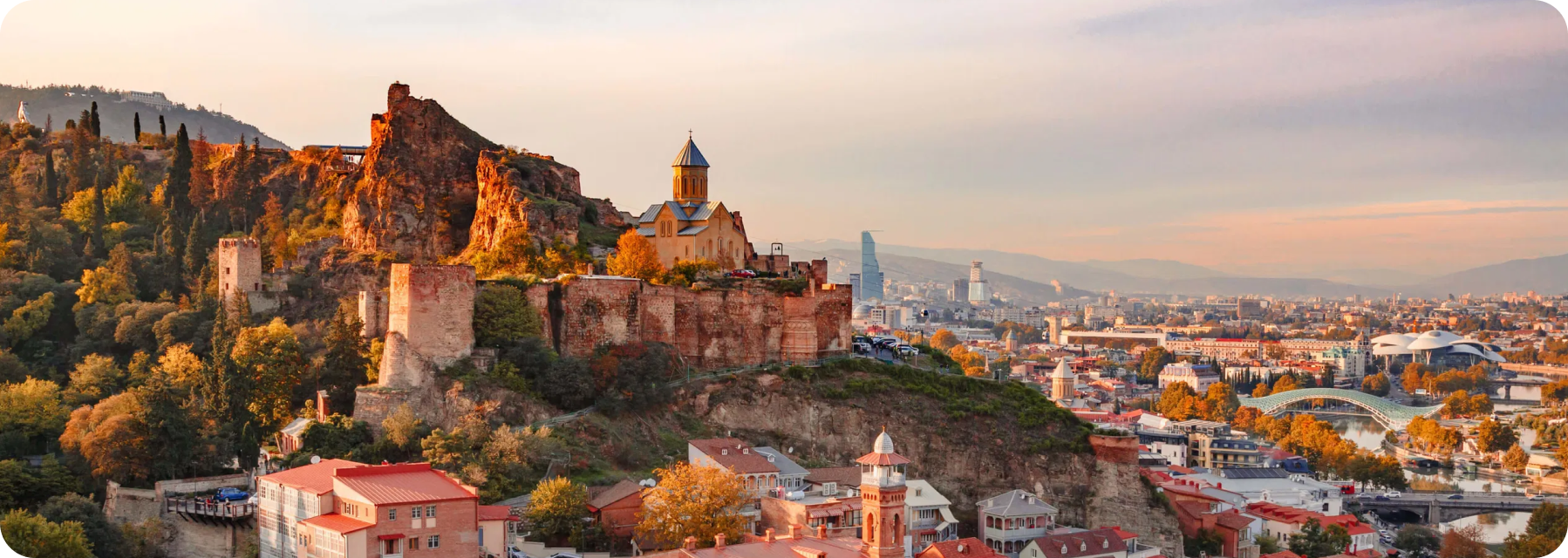
Georgia is a country at the crossroads of Eastern Europe and Western Asia, a land where ancient history meets modern progress. Despite its modest size compared to some global giants, Georgia offers breathtaking geographic diversity — from the towering Caucasus Mountains capped with snow to fertile valleys, rolling vineyards, and the stunning Black Sea coastline. This blend of landscapes gives Georgia its unique charm, where dramatic natural beauty lives side by side with dynamic urban centers.
Covering an area of about 69,700 square kilometers, Georgia may be small in size but it is vast in cultural depth. Its location has made it a historic bridge between civilizations for centuries, reflected in its architecture, traditions, and cuisine. The capital city, Tbilisi, is a vibrant hub of history and modernity, known for its winding old town streets, sulfur baths, and lively café culture. Meanwhile, cities like Batumi on the Black Sea coast showcase Georgia’s cosmopolitan side, with futuristic buildings and seaside charm.
Georgia’s cultural heritage is rich and deeply rooted. From the haunting harmonies of traditional polyphonic singing (recognized by UNESCO) to world-class theater, film, and dance, Georgia offers an artistic life that is both authentic and inspiring. The country is also famous for being the “cradle of wine,” with an 8,000-year-old winemaking tradition that continues to be celebrated today. Students and visitors alike find themselves immersed in festivals, folk art, and a warm sense of hospitality that Georgia is renowned for.
The official currency of Georgia is the Georgian Lari (₾, GEL). Banknotes come in denominations ranging from 5 to 200 lari, with coins used for smaller values. Managing money is simple and convenient for international students and tourists. Currency exchange offices and banks are widely available in cities, airports, and near university areas, while ATMs are easy to find and compatible with most international Visa and Mastercard cards. Contactless payments and digital wallets are also widely accepted, making everyday transactions smooth and accessible.

The educational system in Georgia is steadily gaining global recognition, with universities building a reputation for quality programs in fields such as Medicine, Engineering, Business, Law, and Information Technology. Georgian universities are known for their balanced approach, combining strong academic foundations with practical training that equips students to meet the demands of a competitive global job market.
Many institutions in Georgia offer English-taught programs, especially in Medicine and other professional fields, making education highly accessible to international students. Universities actively pursue academic partnerships and exchange programs with institutions across Europe, Asia, and beyond, providing opportunities for cross-cultural learning, joint research, and international networking.
A distinctive strength of Georgian higher education is its focus on student-centered learning and modern teaching methods. Students are encouraged to engage in research projects, clinical practice, and internships, ensuring that theoretical knowledge is closely tied to real-world applications. This hands-on approach fosters both professional competence and personal growth.
Affordability is another major advantage. Compared to Western Europe and North America, tuition fees in Georgia are significantly lower, while living costs remain manageable for international students. This combination of quality education, accessible costs, and welcoming environment has made Georgia an increasingly popular study destination for students from around the world.
Georgia has a diverse range of universities, each offering unique academic opportunities and modern approaches to higher education. For international students, several institutions stand out thanks to their affordable tuition, English-taught programs, supportive environments, and growing global recognition.
Top universities include:

Student life in Georgia is lively, welcoming, and filled with opportunities to experience both academic and cultural enrichment. Universities often act as community centers, organizing cultural festivals, international student days, conferences, and creative competitions that bring together local and foreign students. Georgia’s rich traditions in music, dance, and art mean students can easily enjoy performances of folk ensembles, theater productions, film screenings, and exhibitions that highlight the country’s unique heritage.
For those who love sports and outdoor adventures, Georgia is a perfect playground. Many universities offer sports clubs, gyms, and recreational activities ranging from football and basketball to hiking and climbing. The stunning Caucasus Mountains provide excellent spots for trekking and skiing in winter, while the Black Sea coast is a favorite destination for summer relaxation, swimming, and beach festivals.
Cities like Tbilisi, Batumi, and Kutaisi are buzzing with student-friendly energy. Cafés, cinemas, music venues, and nightlife spots offer plenty of options for socializing, while student clubs, language exchanges, and volunteer initiatives help create meaningful connections. International students often find it easy to blend into the vibrant Georgian lifestyle thanks to the country’s famous hospitality and open-mindedness toward newcomers.

Georgia is widely regarded as a safe and welcoming destination for international students. The country has a reputation for hospitality, and many foreign visitors quickly notice the friendly and supportive attitude of locals. Students living in university dormitories or campus housing benefit from well-organized security measures, with staff, access control, and support services in place to ensure a safe and comfortable stay. International student offices are also available at most universities, offering guidance on healthcare, legal matters, and cultural adaptation.
Major cities like Tbilisi, Batumi, and Kutaisi are modern, well-developed, and equipped with reliable public transport, visible law enforcement, and good infrastructure. As in any country, students are advised to stay cautious in crowded areas and use trusted transportation options, but most find daily life in Georgia to be smooth, secure, and easy to navigate.
University campuses in Georgia are designed with safety in mind. Many dormitories and academic buildings feature electronic turnstile systems, requiring a student ID card for entry. This ensures that only registered students and authorized staff can access the facilities, creating a controlled and protected environment. Campuses are also monitored with CCTV cameras and staffed with security personnel to provide additional peace of mind.
For both students and tourists, Georgia offers a safe environment enriched by community spirit and strong public services. With basic precautions and an openness to local customs, international students can confidently enjoy Georgia’s vibrant cities, welcoming communities, and beautiful landscapes while focusing on their studies.

Georgia is a transcaucasian nation located at the crossroads of Eastern Europe and Western Asia, bordered by Russia to the north, Turkey and Armenia to the south, Azerbaijan to the southeast, and the Black Sea to the west. Its strategic location has historically made it a cultural and commercial bridge between continents, blending European and Asian influences into a unique national identity.
Despite its modest size compared to vast countries like Russia, Georgia is incredibly geographically diverse. The towering Caucasus Mountains dominate the north, home to some of Europe’s highest peaks, including Mount Shkhara and Mount Kazbek. In contrast, fertile valleys like Kakheti and Kartli are known for their vineyards and agriculture, while the subtropical Black Sea coast around Batumi offers palm trees, beaches, and a mild, seaside climate. This striking variety of landscapes allows students and travelers to experience everything from snowy mountain adventures to sunny coastal escapes within just a few hours of travel.
The climate in Georgia is equally varied, influenced by both its mountainous terrain and proximity to the Black Sea. In general, the country enjoys mild winters and warm summers, but the conditions differ greatly by region.
Georgia’s compact size and diverse landscapes mean students and visitors can enjoy a remarkable range of experiences — from skiing in snow-capped mountains in winter to swimming in the Black Sea in summer. This unique mix of geography and climate makes Georgia not just a place to study, but a land of exploration and adventure.

Georgian cuisine is one of the country’s greatest treasures, reflecting its ancient traditions and diverse regional influences. Known for its bold flavors, fresh ingredients, and generous use of herbs and spices, Georgian food has earned international recognition and offers students and visitors a delicious introduction to the country’s culture. Meals are often hearty, communal, and accompanied by the famous Georgian spirit of hospitality.
Staple dishes include khachapuri (cheese-filled bread, with many regional variations), khinkali (juicy dumplings filled with meat, herbs, or cheese), and mtsvadi (grilled meat skewers seasoned with spices and cooked over an open flame). Rich stews such as chakapuli (lamb with tarragon and green plums) and chanakhi (beef or lamb with vegetables) are also beloved for their comforting flavors.
Vegetables, beans, and herbs play a central role in Georgian cooking, with dishes like lobio (bean stew) and pkhali (vegetable and walnut pâtés) offering plenty of vegetarian options. Walnuts, pomegranates, garlic, and fresh herbs are signature ingredients that give Georgian food its distinctive taste.
Bread is a sacred staple, often baked in a traditional tone oven and served fresh at almost every meal. To drink, students and visitors will find Georgia’s world-famous wine — the oldest winemaking tradition in the world, dating back 8,000 years — alongside mineral waters, fruit juices, and the traditional spirit chacha. Tea and coffee are also widely enjoyed in daily life.
In Georgia, food is more than just nourishment — it is a cultural experience. Supras (traditional feasts) bring people together around abundant tables, guided by the tamada (toastmaster), who leads heartfelt toasts that celebrate friendship, family, and life. For international students, Georgian cuisine is not only delicious but also a gateway into the warmth and generosity of Georgian culture.
Georgia offers competitive tuition fees for international students. For General Medicine programs, annual tuition typically ranges from $4,000 to 8,000. Other bachelor’s programs generally cost between $3,000 and 5,000 per year, while master’s programs are usually priced between $3,500 and 6,000, depending on the university and subject.




Fill in your details to process your application


