

France is a standout study choice with prestigious universities and grandes écoles, a wide range of English-taught degrees, and student-centered support. Campuses are well resourced and international, helping newcomers settle quickly. Graduates develop market-ready skills and connections in business & management, engineering, IT & data, economics, communications/media, and the creative industries—all while enjoying France’s rich culture, historic cities, and diverse landscapes from the Atlantic to the Mediterranean.
France, located in Western Europe, is one of the world’s most influential countries, celebrated for its rich history, cultural heritage, and contributions to art, science, and education. Known as the “Hexagon” for its distinctive shape, it shares borders with Germany, Italy, Spain, Belgium, Luxembourg, Switzerland, and Monaco, with coastlines on the Atlantic Ocean, the English Channel, and the Mediterranean Sea. Its central position makes France a natural hub for travel, trade, and study in Europe.
The capital city, Paris, is globally renowned for fashion, culture, research, and intellectual life, while major centers such as Lyon, Marseille, Toulouse, Lille, Nice, Nantes, Strasbourg, and Bordeaux contribute to a diverse national identity and a dynamic, innovation-driven economy. France’s regions each offer their own character—from Alpine landscapes and Atlantic beaches to Mediterranean towns and historic countryside—creating an exceptional variety of places to live and study.
France is a founding member of the European Union and plays a leading role in international organizations, diplomacy, and global cultural exchange. The country’s legacy spans the arts (from Impressionism to cinema), philosophy and literature, and scientific breakthroughs across aerospace, energy, health, and digital technologies. World-class museums and landmarks—like the Louvre, Musée d’Orsay, the Eiffel Tower, Mont-Saint-Michel, and countless châteaux—make France a year-round destination for visitors and students alike.
Daily life blends tradition and modernity: efficient high-speed rail (TGV) links cities in just a few hours; vibrant neighborhoods are filled with cafés, libraries, music venues, and galleries; and French cuisine—fresh markets, regional specialties, and culinary festivals—is part of everyday culture. For international students, this means an engaging environment beyond the classroom, with opportunities to join student associations, explore internships, attend conferences and cultural events, and travel easily across Europe.
With its blend of academic excellence, cultural depth, and high quality of life, France offers a compelling setting for international education and an unforgettable overall experience.
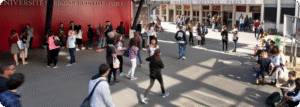
France is internationally recognized for its strong and diverse education system, which combines academic excellence with cultural richness. The system is divided into several stages: primary education, secondary education, and higher education. Education is compulsory for children from ages 3 to 16, ensuring a strong foundation for all students.
Primary and Secondary Education: Primary school focuses on literacy, mathematics, and social development, while secondary education is divided into middle school (collège) and high school (lycée). Students at the lycée prepare for the baccalauréat (commonly known as the “bac”), a national examination that qualifies them for higher education.
Higher Education: French higher education is divided between universities and specialized institutions called Grandes Écoles.
International Opportunities: Many universities in France offer programs taught in English, making higher education accessible to international students. France also participates in exchange initiatives such as Erasmus+, allowing students to benefit from mobility across Europe.
With its combination of world-class universities, research opportunities, and affordable tuition fees compared to many other Western countries, France remains one of the top destinations for students seeking a high-quality education in Europe.
France is home to some of the world’s most prestigious institutions, offering innovative programs that attract international students from all over the globe. Among them, SKEMA Business School and Montpellier Business School stand out for their global outlook, academic excellence, and career-oriented programs.
SKEMA Business School
SKEMA (School of Knowledge Economy and Management) is a leading global business school with campuses in France, Brazil, China, South Africa, and the USA. It specializes in management, finance, entrepreneurship, marketing, and digital transformation, preparing students to thrive in a rapidly changing global economy. Its multicultural environment and strong ties with international industries ensure that graduates are highly competitive in the job market.
Montpellier Business School
Founded in 1897, Montpellier Business School is one of the oldest and most respected management schools in France. It is consistently ranked among Europe’s top business schools and is known for its commitment to diversity, sustainability, and innovation. Offering programs in business administration, management, and entrepreneurship, the school combines rigorous academics with practical training, ensuring students gain both theoretical knowledge and real-world experience.
Both universities emphasize internationalization, career development, and innovation, making them attractive choices for students aiming to build successful careers in global business and management.

Student life in France is a rich blend of academic focus, cultural exploration, and social experiences. With its world-class universities, historic cities, and lively student communities, France offers international students an exciting environment to learn and grow.
Campus life is vibrant, with student associations, clubs, and cultural organizations providing opportunities to engage in sports, arts, debates, and volunteer projects. Universities often host events such as career fairs, international days, and student festivals that help students network and build lifelong friendships.
Outside the classroom, students enjoy France’s diverse lifestyle. From the café culture of Paris to the Mediterranean charm of Nice and the historic streets of Lyon, every city offers unique experiences. Museums, theaters, concerts, and cinemas are part of everyday life, while discounted student passes make cultural outings and public transport affordable.
France is also known for its strong student support services, including housing assistance, healthcare access, and student discounts on travel, dining, and entertainment. Many universities provide mentorship programs and language support, helping international students adapt easily to their new environment.
With a perfect balance of study, leisure, and cultural immersion, student life in France ensures that education goes far beyond the classroom, offering unforgettable memories and experiences.

Safety
France is generally a safe and welcoming country for international students, with well-developed infrastructure, reliable public services, and strong community support. Major cities like Paris, Lyon, and Marseille are busy urban centers, so students are advised to take the same precautions they would in any large city—such as being mindful of personal belongings, avoiding poorly lit areas late at night, and staying alert in crowded places.
Universities in France place high priority on the well-being of their students. Many campuses have dedicated security staff, student assistance hotlines, and orientation sessions to ensure newcomers feel comfortable and informed. Police and emergency services are easily accessible, and medical facilities are modern and widespread.
France also benefits from an efficient public transport system, making travel safe and convenient. Trains, metros, and buses are regularly monitored, while student discounts encourage affordable and secure mobility across cities.
International students will find that French society is generally open, supportive, and respectful. By staying aware of their surroundings and following local advice, students can enjoy a safe, enriching, and memorable experience while studying in France.

France is one of Europe’s most geographically diverse countries, offering everything from sun-soaked coastlines to towering alpine peaks. Its unique location in Western Europe, bordered by the Atlantic Ocean, the Mediterranean Sea, and several neighboring countries, gives it a wide range of landscapes and climates.
The north and west of France enjoy an oceanic climate, with mild winters, cool summers, and regular rainfall. Central regions feature a more continental climate, marked by hotter summers and colder winters. The Mediterranean south—home to cities like Nice and Marseille—offers a classic Mediterranean climate, with long, warm summers, mild winters, and plenty of sunshine. In contrast, the Alps and Pyrenees mountains bring colder conditions and heavy snowfall in winter, making them popular destinations for skiing and winter sports.
Geographically, France boasts fertile plains, rolling vineyards, picturesque river valleys such as the Loire, and dramatic coastlines along both the Atlantic and Mediterranean. Students can easily explore this natural variety, from hiking in the French Alps to enjoying the beaches of the French Riviera.
This blend of geography and climate not only shapes daily life but also influences France’s culture, cuisine, and recreational opportunities, giving international students an enriching environment both inside and outside the classroom.

Cuisine
French cuisine is world-renowned, celebrated for its elegance, diversity, and deep cultural significance. Recognized by UNESCO as part of the world’s intangible cultural heritage, French gastronomy is more than just food—it is an art of living.
France’s culinary traditions vary greatly by region. In the north, butter, cream, and cheeses dominate dishes, while the south features Mediterranean influences with olive oil, herbs, and fresh vegetables. The Atlantic coast is famous for its seafood, particularly oysters and mussels, while the countryside offers hearty stews, pâtés, and rustic breads.
Staple dishes include baguettes, croissants, quiches, and ratatouille, along with iconic classics like coq au vin (chicken in red wine) and boeuf bourguignon (beef stew). French pastries and desserts—such as crème brûlée, éclairs, and delicate macarons—are beloved worldwide. Cheese also holds a special place, with over 400 varieties ranging from creamy Brie to sharp Roquefort.
France is equally famous for its wine culture. Vineyards across Bordeaux, Burgundy, Champagne, and Provence produce some of the world’s most prestigious wines, often paired with meals to enhance the dining experience.
For international students, experiencing French cuisine means more than just tasting—it’s about discovering the tradition of long meals, shared conversations, and a culture that celebrates both simplicity and sophistication in food.
France offers competitive education for international students, with costs varying by institution, program, and teaching language. General Medicine programs typically range €12,000–€20,000 per year. Other bachelor’s programs generally cost €3,000–€10,000 annually, while master’s programs are usually €4,000–€12,000. Private institutions and some English-taught programs may be at the higher end of these ranges.


Fill in your details to process your application


