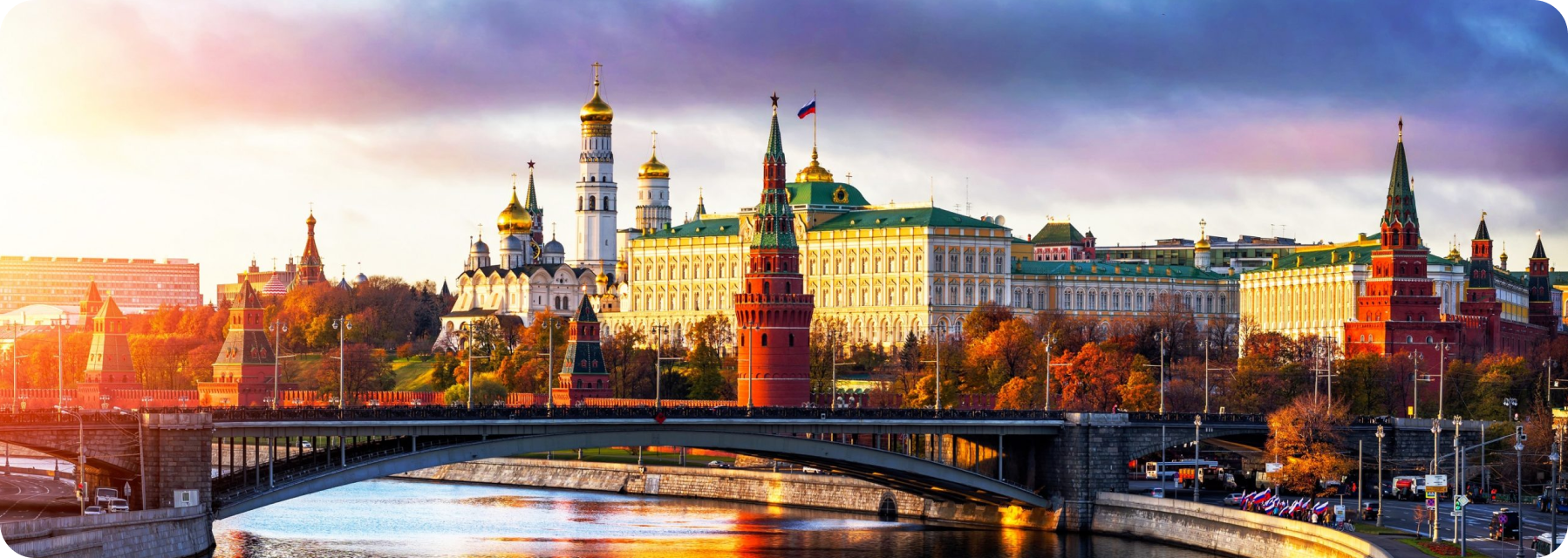

Russia is a popular destination for international students. With established universities offering English programs, it attracts aspiring doctors worldwide due to strong academics and affordable tuition fees.
Russia is the world’s largest country, stretching across two continents — Europe and Asia — and spanning an incredible eleven time zones. Its vast geography embraces everything from the icy tundras of Siberia and the rugged Ural Mountains to the golden steppes and the coastlines of the Black Sea and Pacific Ocean. This diversity of landscapes gives Russia its unique character, where breathtaking natural wonders coexist with bustling urban centers.
Russia is the largest country in the world, covering an area of about 17.1 million square kilometers — nearly one-eighth of Earth’s total land surface. Its sheer size makes it larger than the entire continents of Europe or Australia, and almost twice the size of Canada, the second-largest country.
At the heart of the country stand cosmopolitan cities like Moscow, the vibrant capital known for its Red Square and architectural grandeur, and St. Petersburg, the cultural jewel of Russia often called the “Venice of the North.” Together, these cities showcase a nation that seamlessly blends centuries of rich tradition with modern innovation, offering both historical depth and contemporary dynamism.
Russia’s cultural heritage is immense — home to world-famous literature, classical music, ballet, art, and cinema. From the works of Tolstoy and Dostoevsky to the iconic performances of the Bolshoi and Mariinsky theaters, the country continues to be a beacon of artistic excellence. Festivals, museums, and cultural landmarks ensure that students and visitors alike are immersed in experiences that are as educational as they are inspiring.
The official currency of Russia is the Russian Ruble (₽, RUB). Banknotes are available in denominations ranging from 50 to 5,000 rubles, while coins are commonly used for smaller amounts. For international students and travelers, managing money in Russia is generally straightforward.
Currency exchange is easy and widely accessible. Exchange offices and banks are common in cities, airports, and even near university campuses. ATMs that dispense rubles are available almost everywhere.

The educational system in Russia is highly structured and globally recognized, with a strong legacy of excellence in fields such as Medicine, Engineering, Natural Sciences, Information Technology, etc. Russian universities are renowned for their rigorous academic standards, blending deep theoretical foundations with practical, hands-on training to ensure graduates are well-prepared for real-world challenges.
Many institutions offer programs in English to attract international students, making higher education in Russia more accessible to a global audience. Universities also maintain academic partnerships and exchange agreements with institutions around the world, opening doors to cross-cultural learning, research collaboration, and dual-degree opportunities.
A distinctive feature of Russian higher education is the strong emphasis on research and innovation. Students often participate in cutting-edge projects, scientific conferences, and internships, gaining valuable experience that enhances both academic growth and professional readiness. In addition, the affordability of tuition compared to Western countries makes Russia an attractive destination for students seeking high-quality education without excessive financial burden.
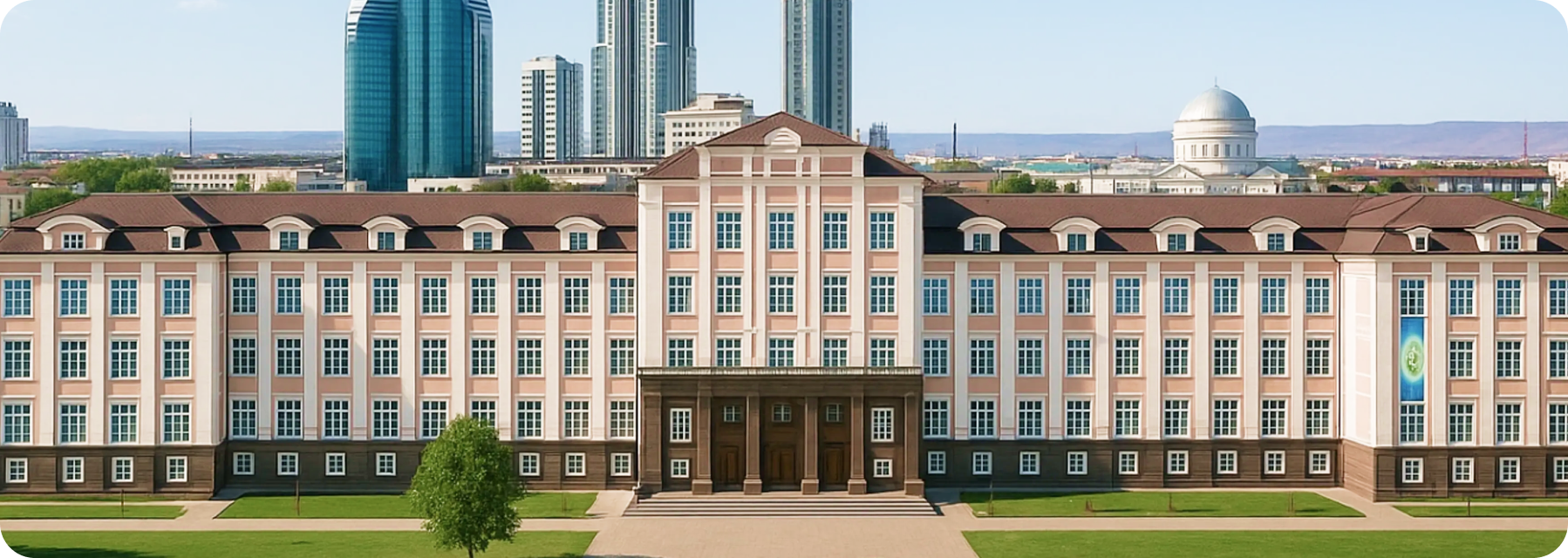
Russia has a wide variety of universities, each offering unique opportunities, but certain institutions stand out as the most popular choices among international students. These universities combine strong academic traditions with modern facilities, multicultural campuses, and globally recognized programs.
Top universities include:

Student life in Russia is vibrant, diverse, and full of opportunities for personal growth and cultural discovery. Universities often serve as cultural hubs, organizing concerts, theater performances, international days, and academic competitions that bring students together from around the world. The country’s rich artistic traditions mean students have easy access to world-class museums, galleries, opera houses, and ballet theaters, allowing them to immerse themselves in Russia’s cultural heartbeat.
For those who enjoy sports and outdoor activities, Russia offers plenty of options. Many universities have sports facilities, gyms, and clubs where students can play football, basketball, volleyball, or even try winter sports like skiing and skating. The country’s vast geography also makes it a playground for adventure, with opportunities for hiking in the Caucasus, exploring Lake Baikal, or enjoying the beaches of the Black Sea in summer.
Cities like Moscow, St. Petersburg, Kazan, Makhachkala and Grozny boast a dynamic nightlife with cafes, cinemas, and music venues that cater to a wide range of tastes. Social student clubs, language exchanges, and volunteering opportunities also provide ways to build friendships and expand networks.

In terms of safety, Russia is generally a secure destination for students, especially those living in university dormitories or campus housing, where security staff, access control, and support services are in place to ensure comfort and well-being. Many universities also provide international student offices that assist newcomers with adapting to local life, offering guidance on healthcare, legal matters, and cultural integration.
Major cities like Moscow, St. Petersburg, Kazan, Makhachkala and Grozny are well-developed, with reliable public infrastructure, visible law enforcement, and extensive surveillance in public areas. While, like in any large country, it’s wise to stay aware in crowded places and use trusted transport options, most visitors find daily life smooth and secure.
For international students in particular, university campuses are designed with safety in mind. Many dormitories and academic buildings are equipped with electronic turnstile systems, requiring student ID cards for entry. This ensures that only registered students and authorized staff have access, creating a controlled and secure environment. In addition, universities often employ security staff and have CCTV monitoring across campus, adding another layer of protection.
Tourists and students alike benefit from Russia’s strong public services and the welcoming outlook of locals, especially in university towns where international visitors are common. With reasonable precautions and respect for local customs, international students and travelers can feel confident exploring Russia’s cities, culture, and landscapes safely.

Geographically, Russia is a transcontinental nation, stretching across Eastern Europe and Northern Asia. It spans eleven time zones and borders 16 countries, including China, Kazakhstan, Mongolia, Ukraine, Finland, and Norway, as well as maritime neighbors like Japan and the United States (across the Bering Strait).
Russia’s vast territory includes a remarkable diversity of landscapes — tundra, taiga forests, steppes, mountains, and coastlines along the Arctic and Pacific Oceans. This unique location gives the country both European and Asian cultural influences, making it a true bridge between East and West.
The climate in Russia varies dramatically across its immense territory, making it one of the most geographically diverse countries in the world. Winters are typically long, cold, and snowy, especially from November to March, with temperatures in northern and Siberian regions dropping well below freezing. These snowy months create a classic Russian landscape of frosted trees, frozen rivers, and sparkling white cities, perfect for winter sports like skating, skiing, and snowboarding.
In contrast, summers in the central and southern regions can be warm and pleasant, with temperatures ranging from mild to hot. Cities such as Moscow and St. Petersburg enjoy vibrant summer seasons filled with outdoor festivals, open-air concerts, and cultural events, while southern areas near the Black Sea offer sunny beaches and a Mediterranean-style climate.
Russia’s vast size means its climate varies widely, but in general, the country experiences cold winters and mild to warm summers.
Russia’s geography is equally diverse, stretching across two continents and eleven time zones. It encompasses the rugged Ural Mountains, the vast Siberian taiga, endless steppes, arctic tundras, and some of the world’s most breathtaking natural wonders, such as Lake Baikal — the deepest freshwater lake on Earth. This variety of landscapes and climates not only defines the country’s identity but also provides students and travelers with endless opportunities for exploration and adventure.

Russian cuisine reflects the country’s long and diverse history, blending influences from Europe, Asia, and the many cultures that make up its vast territory. Known for being hearty and flavorful, Russian food is designed to provide warmth and nourishment, especially during the long, cold winters.
Staples like borscht (a rich beetroot soup), pelmeni (dumplings filled with meat), blini (thin crepes served with jam, sour cream, or caviar), and pirozhki (savory or sweet stuffed pastries) are beloved across the country. Soups and stews, such as solyanka and shchi, are also everyday favorites, offering comfort and depth of flavor.
Bread and dairy products play an important role in the Russian diet, with varieties of black rye bread and cottage cheese (tvorog) appearing regularly on the table. Tea holds a special place in Russian culture, often served strong and accompanied by sweets, cookies, or honey. Traditional drinks like kvass (a mildly fermented bread-based beverage) and mors (a berry-based drink) are also popular, giving students unique tastes of local traditions.
Russia is known for offering high-quality education at relatively affordable costs compared to many Western countries. Tuition fees vary depending on the university, program, and city, but they are generally lower than those in Europe or North America.
On average, international students can expect to pay:






Fill in your details to process your application


